Follow Us on:

Amax Healthcare Logo
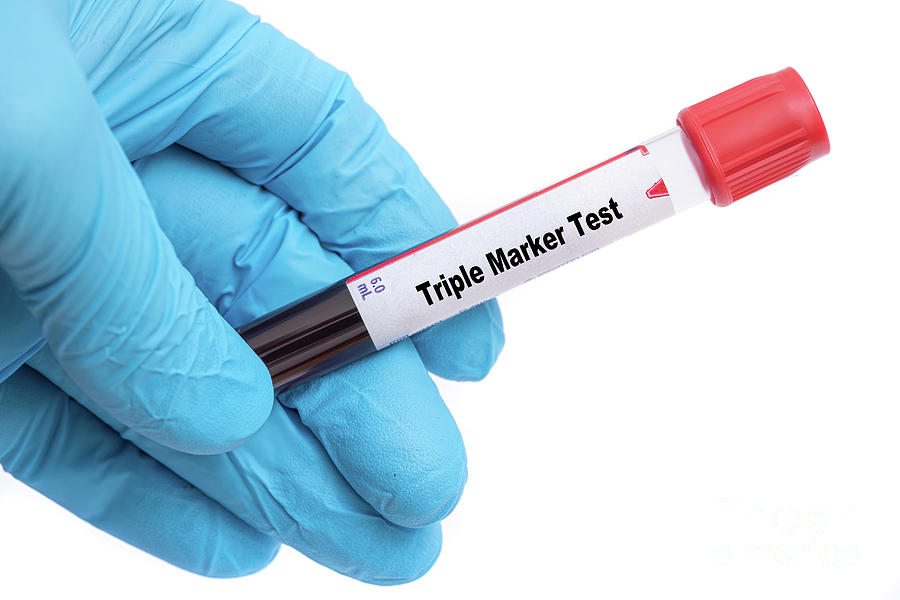
Triple Marker Test

Triple Marker Test During Pregnancy: Everything You Need to Know

The Triple Marker Test is a second-trimester blood test that helps detect genetic and developmental abnormalities in the baby. It measures three substances in the mother’s blood to assess the risk of conditions like Down syndrome and neural tube defects. This screening supports early detection and informed prenatal care. Read on to know its purpose and benefits.

What Is the Triple Marker Test?

The Triple Marker Test, also known as the Triple Test or Second-Trimester Serum Screening, is a blood test that helps assess the risk of chromosomal abnormalities and neural tube defects in the fetus.

This test measures the levels of three important substances produced during pregnancy:

  • AFP (Alpha-Fetoprotein): A protein produced by the baby’s liver. Abnormal AFP levels may suggest neural tube defects like spina bifida or Down syndrome.


  • hCG (Human Chorionic Gonadotropin): A hormone produced by the placenta. Very high or very low hCG levels can indicate chromosomal issues such as Down syndrome or multiple pregnancies.


  • Estriol: A form of estrogen produced by the placenta and the baby’s liver. Low estriol levels can point toward potential developmental concerns.


By evaluating these markers together with maternal age, weight, and gestational age, doctors can estimate the risk of genetic disorders such as Down syndrome (Trisomy 21), Edward’s syndrome (Trisomy 18), and neural tube defects.

When Is the Triple Marker Test Done?

The Triple Marker Test is usually done between 15 and 20 weeks of pregnancy, ideally around 16 to 18 weeks. This period provides the most accurate results as the levels of AFP, hCG, and estriol are best measurable during this time.

However, the exact timing may vary depending on:

  1. Maternal age: Women above 30 are often advised to take this test earlier in the second trimester.


  2. Medical history: If there’s a family history of genetic disorders or birth defects, doctors might schedule the test sooner.


  3. Previous pregnancy outcomes: Those with prior miscarriages or abnormal prenatal results may require early testing.


Comparison with other tests:

  • Double Marker Test: Done in the first trimester (around 10–13 weeks). It measures hCG and PAPP-A.


  • Triple Marker Test: Done in the second trimester and measures AFP, hCG, and Estriol.


  • Quadruple Marker Test: A more advanced version that adds inhibin A to improve accuracy.


Triple Marker Test Procedure

The Triple Marker Test is a simple and safe blood test that does not require fasting or special preparation.

Procedure:

  • A blood sample is taken from a vein in the arm, similar to any routine test.


  • The collected sample is analyzed in the laboratory to measure the levels of AFP, hCG, and estriol.


  • The entire process takes only a few minutes.


Processing Time:
The results are usually available within 2–3 working days, depending on the diagnostic center.

Points to note:

  • No food restrictions are required.


  • Avoid taking vitamin supplements before the test unless advised.


  • Inform your doctor about any medications you are taking.


Understanding Triple Marker Test Results

The Triple Marker Test results are presented as levels of the three hormones and proteins, along with a calculated risk ratio for certain conditions. These results are interpreted by the doctor based on maternal factors such as age, weight, and gestational age.

Normal Ranges (approximate):

  • AFP: 10–150 ng/mL


  • hCG: 10,000–200,000 mIU/mL


  • Estriol: 0.25–2.8 ng/mL


Interpreting Results:

  • High AFP levels may suggest neural tube defects or multiple pregnancies.


  • Low AFP and high hCG levels may indicate Down syndrome.


  • Low estriol levels could mean chromosomal abnormalities or issues with placental function.


Remember, abnormal results do not confirm a problem. They only indicate a higher risk, and doctors may recommend follow-up diagnostic tests like amniocentesis or ultrasound for confirmation.

Always discuss results with your doctor to understand their meaning for your specific pregnancy.

Triple Marker Test vs Other Prenatal Tests

Each prenatal test serves a specific purpose and has its own benefits.

  1. Double Marker vs Triple Marker:


  • Timing: Double Marker (first trimester), Triple Marker (second trimester)


  • Markers: Double measures hCG and PAPP-A; Triple measures AFP, hCG, and Estriol.


  • Purpose: Double Marker detects early chromosomal abnormalities, while Triple Marker focuses on confirming and detecting neural tube defects.


  1. Triple Marker vs NIPT (Non-Invasive Prenatal Testing):


  • Accuracy: NIPT is more precise in detecting chromosomal abnormalities.


  • Cost: NIPT is generally more expensive than the Triple Marker Test.


  • Detection Scope: NIPT can detect more genetic conditions but is usually done after initial screening tests like the Triple Marker.


  1. Quadruple Marker Test:


  • Includes AFP, hCG, Estriol, and Inhibin A.


  • Offers slightly better accuracy in detecting Down syndrome compared to the Triple Marker Test.


In short, the Triple Marker Test remains a reliable and affordable second-trimester screening tool for most pregnancies.

Cost of Triple Marker Test

The cost of the Triple Marker Test varies depending on location, healthcare facility, and additional services included in the test package.

Approximate Prices:

  • UAE: AED 300 – AED 600


  • Dubai: AED 350 – AED 550


  • India: ₹1500 – ₹3000


Some diagnostic centers, such as Amax Healthcare, offer comprehensive pregnancy test packages that include the Triple Marker Test along with other prenatal screenings and consultations.

Factors affecting cost:

  • Laboratory technology used


  • Doctor consultation fees


  • Additional tests (like ultrasound or NIPT)


  • Whether insurance covers prenatal screening


Always confirm pricing and available packages before booking the test.

Who Should Take the Triple Marker Test?

The Triple Marker Test is recommended for all pregnant women in the second trimester, especially for those who fall under higher-risk categories.

You should consider taking this test if:

  • You are above 30 years of age.


  • You have a family history of genetic disorders or birth defects.


  • You had abnormal results in the first-trimester screening.


  • You have had previous miscarriages or high-risk pregnancies.


  • You are carrying twins or more.


Benefits of taking the test:

  • Early identification of potential fetal abnormalities.


  • Helps in planning further diagnostic steps.


  • Provides reassurance if the results are normal.


  • Supports timely medical intervention when needed.


The test helps doctors provide the right prenatal care plan and prepare expectant parents for any additional care the baby might need.

FAQs

What does a positive triple marker test mean?
A positive result doesn’t mean your baby definitely has a disorder. It means there’s a higher chance of abnormality, and further tests like ultrasound or amniocentesis may be suggested for confirmation.

Can the test be done at home or only in a lab?
The Triple Marker Test requires a blood sample analyzed by specialized lab equipment, so it must be done at a certified diagnostic center.

How accurate is the test?
It provides an estimated risk, not a definitive diagnosis. Its accuracy improves when combined with other tests and ultrasound findings.

How to prepare for the test?

  • No fasting required.


  • Wear comfortable clothing for easy access to the arm.


  • Inform your doctor about any medications or supplements.


Can I combine it with other prenatal tests?
Yes, doctors often recommend combining the Triple Marker Test with an ultrasound scan or additional blood tests for a clearer overview of the baby’s health.

Why Early Detection Matters

The Triple Marker Test plays a vital role in ensuring a healthy pregnancy by helping detect potential issues at an early stage. Early screening allows parents and doctors to make informed decisions, manage risks, and ensure proper care for both mother and baby.

Every pregnancy is unique, and interpreting test results should always be done by a qualified medical professional. The most important step after testing is discussing your results with a certified gynecologist or obstetrician.

Trusted Prenatal Screening Assistance for Expecting Mothers in Dubai

If you’re planning your prenatal screening in the UAE, Amax makes the process easier by connecting you with trusted diagnostic centers and qualified healthcare professionals. With personalized support, transparent pricing, and flexible appointment scheduling, Amax helps you book the right test at the right place,without the stress of searching on your own.

Take the next step toward a confident and well-supported pregnancy journey. Book your Triple Marker Test  through Amax today and get access to quality care made simple, safe, and affordable.


Leave a Comment

Your email address will not be published. Required fields are marked *