

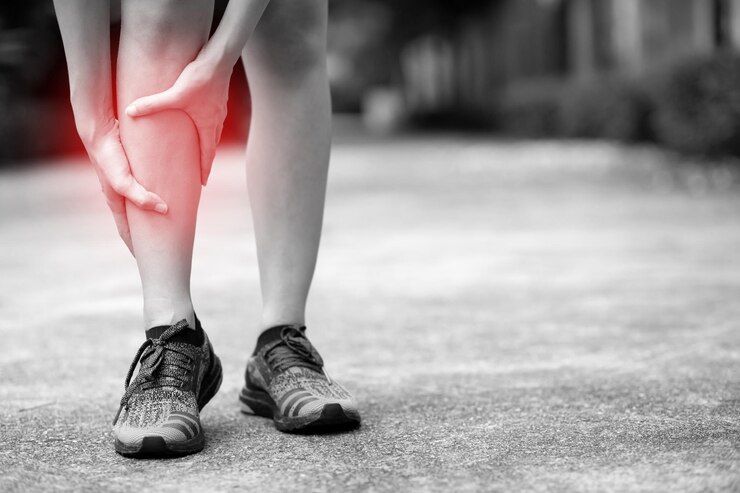
Leg Pain: Causes, Symptoms, Diagnosis, and Treatment
Leg pain is a common ailment that can range from mild discomfort to severe, debilitating pain. It can arise suddenly or develop gradually over time. From simple muscle cramps to more serious conditions like deep vein thrombosis (DVT), leg pain can have various causes, making diagnosis and treatment essential for lasting relief.
Causes of Leg Pain
Leg pain can be caused by a variety of factors, including:
1. Muscle Cramps
Often triggered by dehydration or electrolyte imbalances, muscle cramps—commonly known as charley horses—result in sudden, intense muscle tightness. They are generally brief but can cause sharp discomfort.
2. Injuries
- Muscle Strains: Occur when muscles are overstretched or torn, often seen in athletes.
- Shin Splints: Caused by inflammation in the muscles and tissues around the shin bone, usually from overuse.
- Stress Fractures: These are tiny cracks in bones caused by repetitive impact.
- Tendinitis: Inflammation of the tendons, often due to repetitive movements or injury.
3. Blood Flow Issues
- Varicose Veins: Swollen veins due to blood pooling, which can cause aching or heaviness in the legs.
- Peripheral Artery Disease (PAD): Narrowing of arteries leading to reduced blood flow in the legs, resulting in pain and fatigue.
- Deep Vein Thrombosis (DVT): A blood clot in a deep vein, which can cause sudden leg pain, swelling, and warmth. This is a medical emergency.
4. Nerve Problems
- Sciatica: Pain radiating from the lower back through the leg due to compression of the sciatic nerve.
- Peripheral Neuropathy: Damage to peripheral nerves, often associated with diabetes, causing numbness, tingling, or shooting pain.
5. Chronic Conditions
- Arthritis: Joint inflammation that can cause leg pain, stiffness, and limited mobility.
- Gout: A type of arthritis due to uric acid buildup, causing intense joint pain, often in the big toe but can also affect the legs.
- Restless Legs Syndrome: A neurological disorder causing an uncontrollable urge to move the legs, especially at night.
Symptoms of Leg Pain
The symptoms of leg pain can vary depending on the cause, but they often include:
- Sharp, shooting pains
- Dull, throbbing aches
- Redness, warmth, or swelling
- Numbness or tingling (associated with nerve issues)
- Limited mobility or stiffness
- Discoloration of the skin, often seen in circulation issues
Diagnosis
Proper diagnosis of leg pain is crucial for appropriate treatment. Some common diagnostic tests include:
- X-rays: Effective in identifying bone fractures or joint damage.
- MRI Scans: Provide detailed images of soft tissues, helping to diagnose issues like ligament tears or tendinitis.
- CT Scans: Offer more detailed views of bone injuries or complex fractures.
- Color Doppler Ultrasound: Particularly useful for diagnosing DVT and assessing blood flow in veins and arteries.
- Blood Tests: Can help detect conditions like gout, infections, or imbalances in electrolytes.
Treatment for Leg Pain
Treatment will depend on the underlying cause of the pain. Common treatments include:
1. RICE (Rest, Ice, Compression, Elevation)
This method is highly effective for treating minor injuries like muscle strains or sprains. It helps reduce swelling and pain, allowing the muscle to heal.
2. Medications
Nonsteroidal anti-inflammatory drugs (NSAIDs) like ibuprofen or acetaminophen can help relieve pain and inflammation.
3. Physical Therapy
For chronic conditions or injuries, physical therapy can help improve strength and flexibility, speeding up recovery and preventing further injury.
4. Surgery
In more severe cases, such as fractures, torn ligaments, or DVT, surgery may be required to repair the damage and restore normal function.
5. Nerve Pain Treatments
For conditions like sciatica or peripheral neuropathy, specific medications or injections can help target and relieve nerve pain.
Chronic conditions like arthritis might require long-term management involving medication, lifestyle changes, and consistent monitoring by a healthcare provider.
Prevention of Leg Pain
- Stay Hydrated: Drinking sufficient water can prevent dehydration-related muscle cramps.
- Exercise Regularly: Engaging in exercises like walking, swimming, or cycling can improve circulation and muscle strength.
- Stretch: Incorporating stretching exercises into your routine can prevent muscle injuries.
- Maintain a Healthy Diet: Foods rich in potassium and essential nutrients support muscle health and prevent cramps.
- Quit Smoking: Smoking can exacerbate circulation issues like PAD, increasing the risk of leg pain.
When to Seek Medical Attention
Seek immediate medical attention if:
- Your leg is swollen, red, or warm, which could indicate DVT.
- Pain persists despite at-home treatments like rest and NSAIDs.
- You have a fever along with leg pain, indicating a potential infection.
- You experience sudden numbness, weakness, or paralysis in your leg.
Get Comprehensive Imaging and Diagnostics at Amax
At Amax, we offer advanced diagnostic services like X-rays, MRIs, and Doppler Ultrasounds to help you get to the root of your leg pain. Whether it’s diagnosing muscle strains, bone fractures, or assessing blood flow issues like DVT, our state-of-the-art equipment ensures accurate results. Visit Amax for a comprehensive scan, so you can take the first step toward pain-free living!