

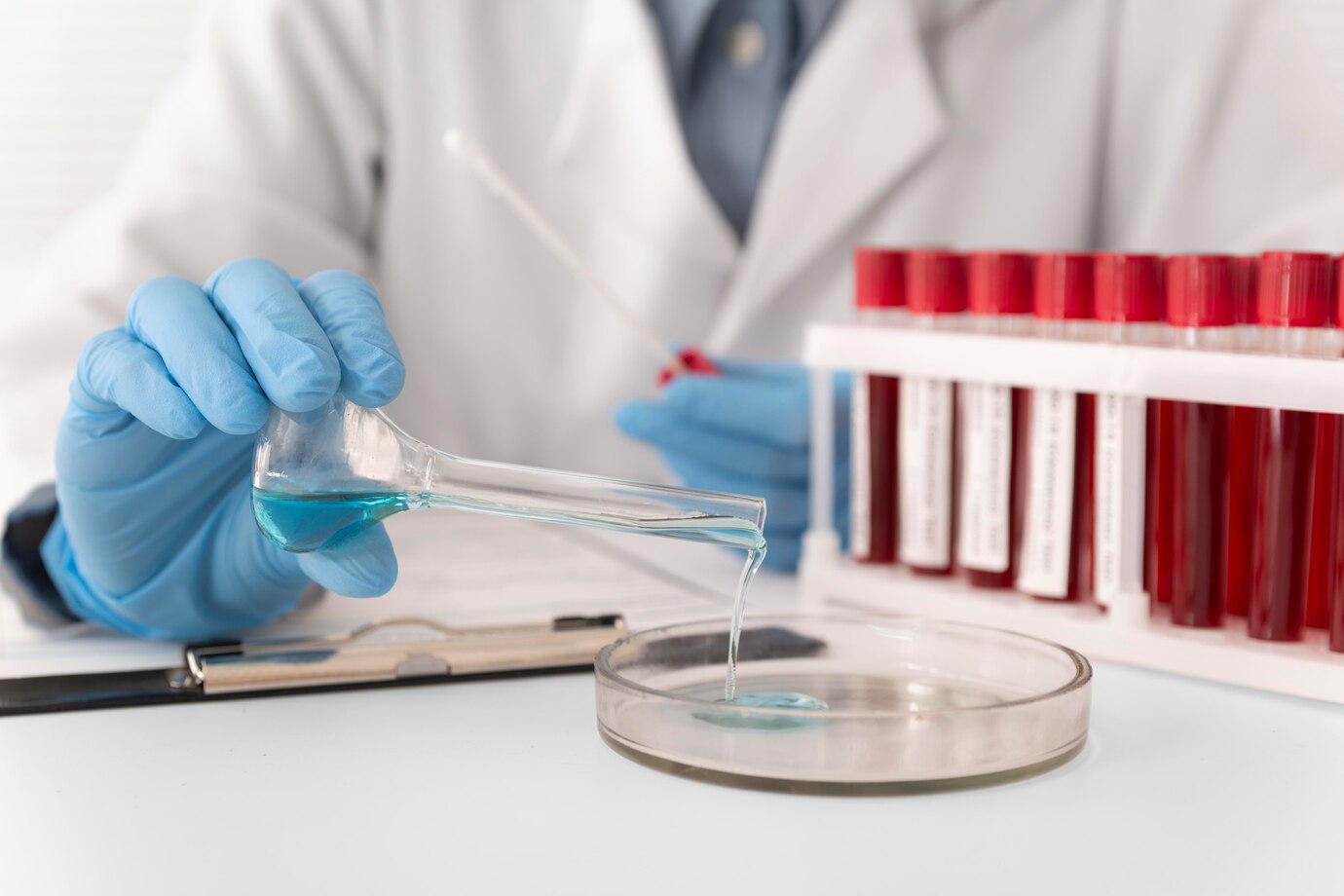
Lab Tests – Importance, Types & When to Get Tested
Lab tests play a crucial role in healthcare by detecting, diagnosing, and monitoring diseases, infections, and overall health conditions. These tests analyze blood, urine, and tissue samples to assess organ function, detect deficiencies, and identify early signs of illness. Regular health screenings help in the early detection of conditions like diabetes, heart disease, and infections, allowing for timely medical intervention. Personalized lab reports provide valuable insights, enabling doctors to recommend appropriate treatments and preventive measures for better long-term health.
Understanding Lab Tests & Their Purpose
Lab tests are essential tools in healthcare that help diagnose diseases, monitor health conditions, and assess overall well-being. By analyzing blood, urine, and tissue samples, these tests provide critical insights that guide medical decisions and preventive care.
What Are Lab Tests & How Are They Done?
Lab tests involve analyzing samples of blood, urine, or tissue to assess overall health and diagnose medical conditions. These tests are conducted in specialized laboratories where technicians use advanced equipment to evaluate specific components such as blood cells, chemicals, and pathogens. Some tests require fasting or special preparation to ensure accurate results.
The Importance of Regular Health Screenings
Regular health screenings help detect potential health issues before they become serious. Early detection enables timely medical interventions and improves treatment outcomes. For example, routine blood tests can identify conditions like anemia, infections, and vitamin deficiencies early on, preventing complications in the future.
Types of Diagnostic Tests & Their Uses
Diagnostic tests are categorized based on their purpose:
- Blood Tests: Assess overall health, detect disorders, and monitor conditions.
- Urine Tests: Evaluate kidney function, detect infections, and confirm pregnancy.
- Genetic Tests: Identify inherited conditions, assess disease risk, and provide personalized health insights.
- Specialized DNA Tests: Analyze genetic predispositions to various health conditions.
Common Lab Tests & What They Detect
Different types of lab tests serve various purposes, from checking blood health to detecting infections and genetic conditions. Understanding what each test evaluates can help you take proactive steps in managing your health.
Blood Tests – CBC, FBS, Lipid Profile & More
- Complete Blood Count (CBC): Measures red and white blood cells, hemoglobin, and platelets to detect anemia, infections, and blood disorders.
- Fasting Blood Sugar (FBS): Checks glucose levels to screen for diabetes.
- Lipid Profile: Evaluates cholesterol levels to assess heart disease risk.
Urine Tests – Kidney Function, Pregnancy & Infections
- Urinalysis: Detects kidney disorders, urinary tract infections (UTIs), and metabolic conditions.
- Pregnancy Test: Identifies the presence of the hCG hormone to confirm pregnancy.
Genetic & DNA Tests – NIPT, Paternity & Ancestry Testing
- Non-Invasive Prenatal Testing (NIPT): Screens for chromosomal abnormalities in a fetus.
- Paternity Testing: Determines biological relationships.
- Ancestry Testing: Explores genetic heritage and lineage.
- DNA Profile Test: Provides an overall genetic assessment for personalized health insights.
- DNA Skin Profile Test: Identifies genetic predispositions related to skin conditions, aging, and sensitivity.
- Whole Genome Sequencing Test: Analyzes the entire genetic code to detect risks for complex diseases.
- DNA Hereditary Cancer Screening Profile: Assesses inherited genetic markers linked to cancer risk.
- DNA Anti-Aging Profile Test: Evaluates aging-related genes to recommend lifestyle choices for slowing aging effects.
- DNA Hair Loss Test: Identifies genetic factors contributing to hair thinning and baldness.
- DNA Fitness and Nutrition Profile Test: Provides tailored diet and exercise plans based on genetic makeup.
When Should You Get a Lab Test?
Timely lab tests can help identify health issues before they worsen. Whether you’re experiencing symptoms or following a routine health check-up schedule, knowing when to get tested is crucial for maintaining good health.
Symptoms That May Require Immediate Testing
Seek lab testing if you experience unexplained symptoms such as persistent fatigue, sudden weight loss, prolonged fever, abnormal bleeding, or unusual skin changes. These could be early signs of underlying health issues requiring prompt medical attention.
Preventive Health Screenings – When to Get Tested?
Preventive screenings are recommended based on age, gender, and individual risk factors:
- Cholesterol Checks: Start at age 20, repeat every 4-6 years.
- Blood Pressure Monitoring: Regular checks beginning in early adulthood.
- Diabetes Screening: Essential for those with a family history or obesity risk factors.
- Cancer Screenings: Based on family history and age, including tests for breast, colon, and prostate cancer.
How Often Should You Do Routine Blood Work?
The frequency of routine blood work depends on your health condition and risk factors. Generally, an annual check-up is advisable, but individuals with chronic conditions such as diabetes or heart disease may require more frequent testing.
How to Prepare for a Lab Test
Proper preparation is key to getting accurate lab test results. Some tests require fasting, while others need specific preparations. Knowing what to expect ensures a smooth and effective testing process.
Fasting vs. Non-Fasting Blood Tests
- Fasting Tests: Tests like glucose and lipid profiles require fasting for 8-12 hours before the test.
- Non-Fasting Tests: Most blood tests, such as CBC and thyroid function tests, do not require fasting.
Always follow your healthcare provider’s instructions for accurate results.
What to Expect During a Lab Test?
During a blood test, a healthcare professional will draw a small sample, usually from a vein in your arm. The procedure is quick and causes minimal discomfort. For urine tests, you may need to provide a sample in a sterile container.
How Long Do Lab Test Results Take?
- Blood Tests: Results are available within a few hours to a few days.
- Urine Tests: Typically processed within 24 hours.
- Genetic Tests: May take several weeks due to complex analysis.
Your healthcare provider will inform you of the expected timeline for results.
Book a Lab Test with AMAX Healthcare
AMAX Healthcare makes lab testing convenient with home sample collection, quick results, and 24/7 appointment booking in the UAE. Get tested hassle-free and take care of your health today!
Home Sample Collection for Lab Tests
AMAX Healthcare makes lab testing more convenient by arranging home sample collection services in the UAE. Skip the hassle of traveling—schedule a lab test from the comfort of your home. Whether you have a busy schedule or mobility challenges, we ensure a seamless experience by connecting you with top healthcare providers.
Accurate & Quick Lab Test Reports
We help you book lab tests with trusted healthcare facilities that deliver precise and timely results. With cutting-edge laboratory technology and experienced professionals, your samples are analyzed with the highest standards of accuracy, giving you reliable health insights.
24/7 Appointment Booking for Health Checkups
AMAX Healthcare simplifies the process of booking health checkups. Available 24/7, our platform connects you with leading healthcare providers in the UAE, ensuring you get the right lab tests at the right time. Whether you need routine screenings or specialized diagnostics, we help you schedule hassle-free appointments that fit your needs.
Take charge of your health with AMAX Healthcare—your trusted partner in scheduling quality and affordable healthcare services in the UAE.