

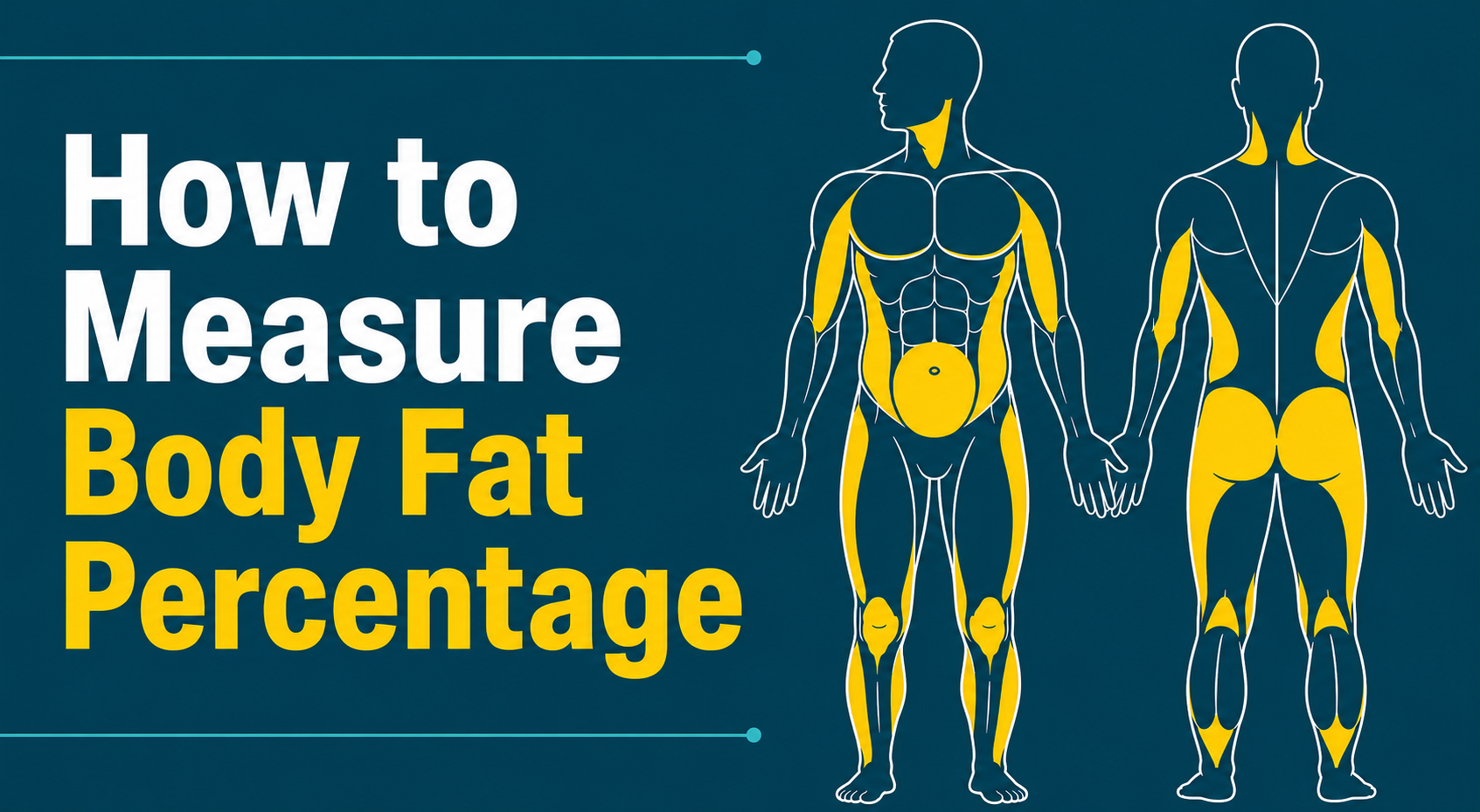
How to Measure Body Fat Percentage Accurately: Comparing All Methods
Book Your DEXA Scan now at affordable prices
Body weight alone does not always show your true health or fitness progress. Two people can weigh the same but have very different amounts of body fat and muscle mass. Knowing your body fat percentage can provide a clearer picture of your body composition and overall health. Take a look at the most common body fat measurement methods, how accurate they are, and which option provides the most reliable results.
What Is Body Fat Percentage?
Body fat percentage is the proportion of your total body weight that comes from fat tissue. It includes both essential fat needed for normal body functions and stored fat used as an energy reserve. Unlike weight or BMI alone, body fat percentage provides a more detailed view of body composition by showing how much of your body consists of fat compared to muscle, bone, and other tissues.
What Are the Different Methods to Measure Body Fat Percentage?
Several methods are available to estimate body fat percentage. Some are simple and inexpensive, while others use advanced technology to provide more detailed results. Each method differs in accuracy, convenience, cost, and the information it provides.
BMI (Body Mass Index)
BMI calculates body weight in relation to height using a standard formula. It is commonly used as a quick health screening tool. However, BMI does not measure body fat directly and cannot distinguish between fat mass and muscle mass, which may lead to inaccurate assessments.
Waist Circumference Measurement
Waist circumference measures abdominal fat by assessing the size of the waist. It is a simple and low cost method that helps identify excess belly fat linked to various health risks. However, it does not provide a complete picture of overall body composition.
Skinfold Calipers
Skinfold calipers estimate body fat by measuring the thickness of skinfolds at specific body locations. The measurements are used to calculate body fat percentage. Accuracy depends heavily on the skill of the person performing the test and the consistency of measurement techniques.
Bioelectrical Impedance Analysis (Smart Scales)
Smart scales estimate body fat percentage by sending a low electrical current through the body. They are easy to use and widely available. Results can vary based on hydration levels, food intake, and other factors, making them less reliable for precise body composition analysis.
InBody Body Composition Analysis
InBody analysis uses bioelectrical impedance technology to estimate body fat, muscle mass, and water distribution. It provides more detailed information than standard smart scales. While useful for tracking trends, its accuracy can still be influenced by hydration and other temporary body conditions.
Hydrostatic Weighing
Hydrostatic weighing estimates body fat by comparing body weight on land and underwater. It has long been considered a highly accurate method for body composition assessment. However, the process requires specialized equipment and may not be convenient for many individuals.
Air Displacement Plethysmography (Bod Pod)
The Bod Pod measures body composition by assessing how much air is displaced by the body inside a sealed chamber. It is non invasive and relatively accurate. However, access to Bod Pod testing may be limited and costs can be higher than many other methods.
DEXA Body Composition Scan
A DEXA body composition scan uses low dose X ray technology to measure body fat, lean muscle mass, and bone density. It provides detailed body composition data and is widely recognized as one of the most accurate methods available for body fat percentage measurement.
How Accurate Is Each Body Fat Measurement Method?
Method | Accuracy | Cost | Convenience | Measures Fat Directly | Measures Muscle Mass | Key Limitation |
BMI | Low | Very Low | Excellent | No | No | Cannot separate fat and muscle |
Waist Circumference | Low to Moderate | Very Low | Excellent | Partially | No | Limited body composition data |
Skinfold Calipers | Moderate | Low | Good | Yes | No | Operator dependent |
Smart Scales | Moderate | Low | Excellent | Estimated | Limited | Influenced by hydration |
InBody Analysis | Moderate to High | Moderate | Good | Estimated | Yes | Results may vary |
Hydrostatic Weighing | High | High | Moderate | Yes | Limited | Specialized equipment required |
Bod Pod | High | High | Good | Yes | Limited | Limited availability |
DEXA Scan | Very High | Moderate to High | Good | Yes | Yes | Requires specialized facility |
What Is the Most Accurate Method to Measure Body Fat Percentage?
Among the available options, a DEXA body composition scan is widely regarded as the most accurate method for measuring body fat percentage. It provides highly detailed information about body composition and offers greater precision than BMI, smart scales, skinfold measurements, and many other body fat testing methods.
A DEXA scan measures total body fat, lean muscle mass, visceral fat surrounding internal organs, regional body composition, and bone mineral density. This comprehensive assessment allows healthcare professionals, athletes, and individuals pursuing weight loss or fitness goals to obtain a complete picture of their body composition from a single scan.
Why Is Body Fat Percentage More Important Than Body Weight?
Body weight alone cannot show how much of your body consists of fat, muscle, bone, or water. Two individuals with identical weight may have significantly different health profiles depending on their body composition. Body fat percentage provides deeper insight into fitness progress, metabolic health, and potential health risks, making it a more useful measurement for tracking overall physical health and wellness goals.
Who Should Monitor Their Body Fat Percentage?
- Individuals pursuing weight loss goals
- Athletes tracking performance improvements
- Fitness enthusiasts building muscle mass
- People managing obesity related risks
- Individuals following nutrition programs
- Adults monitoring long term health
- Patients receiving body composition assessments
Get a Clearer Picture of Your Health
Measuring body fat percentage provides far more useful information than simply tracking body weight. By comparing different body fat measurement methods, individuals can choose an approach that matches their goals and required level of accuracy. For those seeking detailed body composition analysis, a DEXA body composition scan offers one of the most reliable ways to assess body fat, muscle mass, visceral fat, and overall health progress with confidence.
Safe and Affordable DEXA Body Composition Scans in Dubai
Amax Healthcare provides advanced DEXA body composition scans by connecting patients with trusted diagnostic centers and experienced radiology professionals across Dubai. Our network supports accurate assessment of body fat percentage, lean muscle mass, visceral fat, and bone mineral density using advanced diagnostic technology. With affordable pricing, experienced specialists, flexible appointments, and reliable reporting, Amax Healthcare helps patients access professional body composition analysis with confidence and convenience.
Frequently Asked Questions About Body Fat Percentage Measurement
What is a healthy body fat percentage?
A healthy body fat percentage varies by age, gender, and fitness level. In general, healthy ranges are often between 10% and 24% for men and 18% and 31% for women, depending on individual circumstances.
Which body fat test is most accurate?
DEXA body composition scanning is widely considered the most accurate body fat test available. It provides detailed measurements of total body fat, muscle mass, visceral fat, and bone density in a single assessment.
Are smart scales accurate for body fat measurement?
Smart scales can provide useful estimates for tracking changes over time. However, their accuracy may be affected by hydration, food intake, and other factors, making them less reliable than advanced body composition scans.
How often should body fat percentage be measured?
Most people can monitor body fat percentage every one to three months. This frequency helps track meaningful changes in body composition without being affected by normal day to day fluctuations.
Is DEXA better than BMI for assessing body composition?
Yes. BMI only estimates health based on height and weight, while DEXA directly measures body fat, muscle mass, visceral fat, and bone density, providing a much more detailed body composition assessment.