

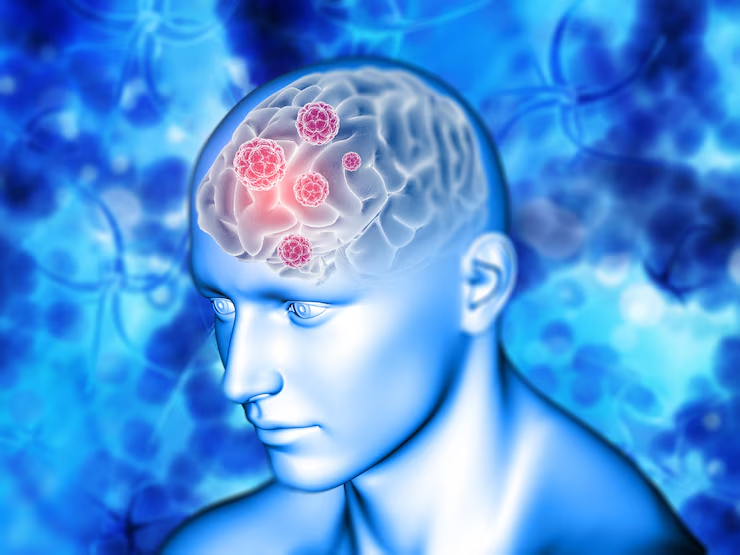
Early Warning Signs of Brain Tumors in Adults: What You Need to Know
Brain tumors can be life-altering, and recognizing their early signs is crucial for timely intervention. Tumors in the brain, whether benign or malignant, can cause physical, mental, and emotional symptoms. These symptoms may vary depending on the type, size, location, and growth rate of the tumor. In this article, we will explore the early signs of brain tumors, the symptoms associated with different types of tumors, and when it is essential to seek medical attention.
Brain Tumors and Their Symptoms
Brain tumors can be broadly categorized into two types: primary and metastatic. Primary brain tumors originate in the brain, whereas metastatic tumors spread to the brain from other parts of the body. Regardless of whether a tumor is cancerous or noncancerous, it can cause a range of symptoms that can affect various bodily functions.
The symptoms of a brain tumor often occur due to the pressure exerted by the tumor on surrounding brain tissues. This pressure can interfere with normal brain functions, leading to a variety of physical, cognitive, and behavioral changes. Early detection is crucial because identifying a tumor before it grows or spreads can significantly improve treatment outcomes.
Common Early Symptoms of a Brain Tumor
One of the hallmark signs of a brain tumor is persistent headaches. However, brain tumor-related headaches often differ from regular headaches or migraines. For example, headaches caused by a tumor may be more intense in the morning or worsen with physical activity. Additionally, they can occur with other concerning symptoms like nausea and vomiting. If you experience headaches that increase in frequency or severity over time, it may be worth consulting a doctor.
Vision problems are another common early sign of a brain tumor. A tumor pressing on the optic nerve can lead to blurred vision, double vision, or loss of peripheral vision. Changes in personality, mood swings, and difficulty concentrating are also symptoms that may point to a tumor in the brain, particularly in areas that control emotions and cognitive function.
Other possible early signs include:
- Seizures: Sudden, uncontrolled electrical disturbances in the brain that can manifest as convulsions or loss of consciousness. These may occur in individuals with no prior history of seizures.
- Memory Loss: Difficulty recalling recent events or learning new information may be an indication of a tumor affecting the brain’s memory centers.
- Speech Problems: Tumors in specific regions of the brain can impair communication, leading to slurred speech or trouble finding the right words.
- Loss of Balance and Coordination: Difficulty walking or maintaining balance can occur if the tumor is located in the cerebellum, the part of the brain responsible for motor control.
Types of Brain Tumors and Their Specific Symptoms
Different types of brain tumors may produce specific symptoms depending on their location and growth pattern.
- Meningiomas:
These are typically benign tumors that develop in the membranes surrounding the brain and spinal cord. Meningiomas can grow slowly, causing headaches, vision problems, and weakness in the limbs. Seizures and personality changes may also occur due to the pressure exerted on nearby brain tissue. - Glioblastomas:
Glioblastomas are highly malignant tumors that grow rapidly and are classified as grade 4 tumors, the most aggressive form. Early symptoms of glioblastomas include persistent nausea and vomiting, intense morning headaches, weakness in one side of the body, and seizures. Due to their aggressive nature, glioblastomas often require prompt treatment. - Astrocytomas:
Astrocytomas arise from astrocytes, a type of brain cell that supports nerve cells. These tumors can range from slow-growing (grade 1) to more aggressive (grade 4). Early symptoms of astrocytomas include headaches, seizures, and memory loss. Changes in behavior and difficulty concentrating may also be present. - Pituitary Tumors:
Tumors in the pituitary gland are generally noncancerous but can affect hormone production, leading to changes in mood, behavior, and vision. As the tumor grows, it may also cause headaches and visual disturbances. Pituitary tumors are more common in females and may impact fertility and other hormonal functions. - Metastatic Brain Tumors:
Metastatic tumors are cancers that originate elsewhere in the body (such as the lungs, breasts, or skin) and spread to the brain. Symptoms often mirror those of primary brain tumors, including headaches, seizures, and personality changes. Weakness in one side of the body and short-term memory loss are also common signs of metastatic brain tumors.
Conditions That Mimic Brain Tumor Symptoms
It’s important to note that the symptoms of a brain tumor can resemble other medical conditions, such as migraines or multiple sclerosis (MS). For instance, migraines can cause intense headaches, nausea, and sensitivity to light, similar to brain tumor symptoms. However, headaches related to brain tumors are usually persistent, worsen over time, and may occur alongside other neurological symptoms.
In conditions like MS, individuals may experience balance problems, fatigue, and mood changes—symptoms that can also indicate the presence of a tumor. The key is to recognize when these symptoms persist or worsen and to seek medical advice for proper diagnosis.
When to Seek Medical Attention
If you are experiencing persistent headaches, unexplained vision problems, seizures, or other concerning neurological symptoms, it is essential to consult a doctor. While these symptoms may be linked to less serious conditions, ruling out the possibility of a brain tumor is important.
Your doctor will likely perform a series of neurological tests, including imaging scans like CT or MRI, to examine the brain and detect any abnormalities. In some cases, a biopsy may be required to determine the type and grade of the tumor.
Early detection of brain tumors is crucial for improving treatment outcomes and quality of life. Understanding the early warning signs and symptoms—such as persistent headaches, vision problems, seizures, and personality changes—can help you recognize when it’s time to seek medical attention. If diagnosed, treatment options like surgery, radiation therapy, or chemotherapy may be recommended based on the tumor type and stage.
Why Choose Amax for Early Brain Tumor Detection?
At Amax, we specialize in advanced MRI and CT imaging techniques designed for early detection of brain tumors. Our state-of-the-art technology, combined with highly skilled radiologists, ensures precise and timely diagnoses. With a focus on early detection, we help identify brain tumors at their most treatable stages, offering peace of mind and a proactive approach to your health. Trust Amax for comprehensive, expert care.