

CT Neck Angiography: Purpose, Procedure, and What to Expect
Book Your CT Neck Angiography Now at Affordable Prices
Blood flow problems affecting the neck blood vessels can sometimes lead to dizziness, severe headaches, fainting episodes, blurred vision, or increased stroke risk requiring detailed vascular imaging. Doctors often recommend CT neck angiography because this noninvasive imaging scan helps evaluate circulation, artery narrowing, and blood vessel abnormalities quickly and accurately. Read on to know how CT angio neck scans work, why contrast dye is used, and what patients can expect during the procedure.
What CT Neck Angiography Shows
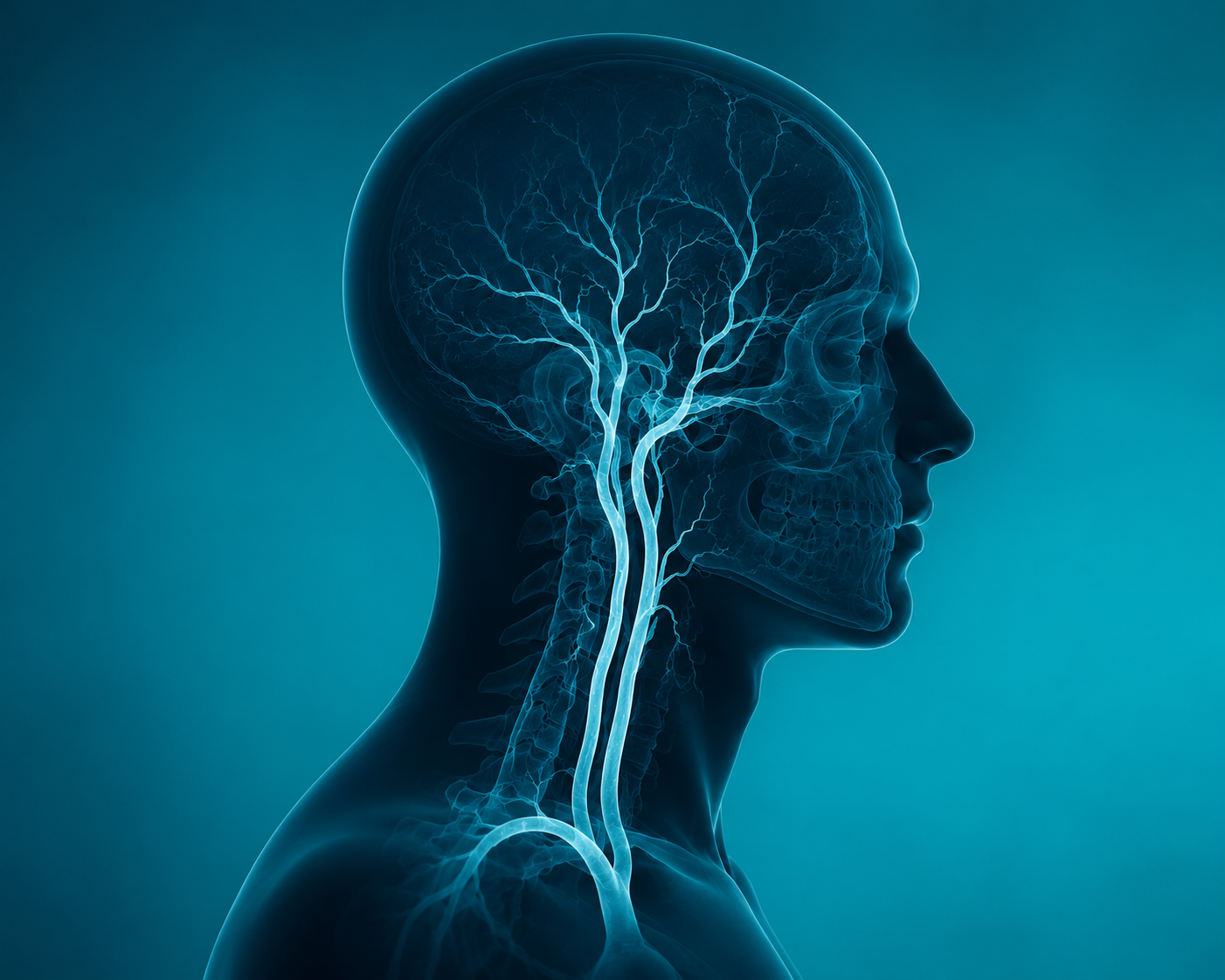
CT neck angiography evaluates carotid arteries, vertebral arteries, and other neck blood vessels using detailed imaging with contrast dye. The scan helps identify narrowing, blockage, aneurysms, circulation problems, and vascular abnormalities affecting arterial blood flow to the brain. CT angiography neck vessels also supports stroke risk evaluation and neck vascular assessment through accurate visualization of blood vessel structure and circulation patterns.
Conditions Doctors Commonly Evaluate With CTA Neck
- Carotid artery narrowing reducing blood flow significantly
- Aneurysm formation affecting weakened neck blood vessels
- Vascular injury after accidents or neck trauma
- Stroke related circulation problems needing urgent evaluation
- Blood clot concerns affecting artery blood movement
- Artery blockage causing dizziness or neurological symptoms
- Abnormal neck blood vessels affecting brain circulation
Why Contrast Is Used During the Scan
Contrast dye improves visibility of neck blood vessels during CT angio neck imaging. It helps highlight artery structure clearly, improves circulation mapping, and allows doctors to detect narrowing, blockage, aneurysms, or blood flow abnormalities more accurately during vascular assessment.
Situations That May Lead to the CT Angio Neck Scan
Doctors may recommend CT neck angiography when symptoms suggest reduced blood circulation, artery narrowing, or vascular abnormalities affecting blood flow to the brain and surrounding neck structures.
- Persistent dizziness affecting daily balance and movement
- Fainting episodes linked to circulation related concerns
- Severe headaches with possible vascular involvement suspected
- Blurred vision associated with reduced blood circulation
- Stroke symptoms requiring urgent neck vessel imaging
- Neck trauma causing suspected vascular injury internally
- Circulation concerns affecting brain oxygen rich blood
How the CT Neck Angiography Procedure Works
CT angiography of neck vessels is performed using a CT scanner and intravenous contrast dye to capture detailed images of blood vessels. Patients lie on a movable scan table while healthcare professionals position the neck carefully for imaging. During the scan, the machine captures artery images within minutes while patients remain still for improved clarity. Communication with the technician continues throughout the procedure if assistance or reassurance becomes necessary during imaging.
Preparation Before the Appointment
- Follow fasting instructions provided before scheduled imaging procedure
- Drink water unless different instructions are medically advised
- Inform doctors about ongoing medications before the scan
- Discuss previous contrast allergy reactions with healthcare providers
- Mention kidney related conditions before contrast administration
- Carry earlier scan reports during imaging appointments carefully
- Remove metallic accessories before entering scanning room
What Patients May Feel During Contrast Injection
- Warm sensation spreading briefly through the body afterwards
- Metallic taste appearing temporarily after contrast injection procedure
- Mild flushing feeling lasting only several seconds normally
- Temporary effects disappearing shortly after scan completion usually
- Slight arm discomfort near intravenous injection area occasionally
- Brief body warmth during blood vessel imaging process
- Normal sensations monitored carefully by healthcare professionals
Safety, Risks, and Medical Considerations
CT neck angiography is generally considered safe when performed under physician guidance using appropriate imaging protocols and contrast precautions. Healthcare providers review existing medical conditions, kidney health, pregnancy status, and previous allergy history before the scan to reduce avoidable complications. Radiation exposure during CT angiography remains medically controlled, while contrast dye safety is evaluated carefully for patients with kidney concerns, diabetes, asthma, or earlier reactions related to intravenous contrast administration during vascular imaging procedures.
Recovery, Results, and Next Steps
Most patients return to normal routine activities shortly after CT angiogram neck imaging unless additional medical observation becomes necessary. Drinking water after the scan may support contrast removal from the body naturally, especially for patients with mild kidney concerns or previous contrast sensitivity. Radiologists carefully review blood vessel images before preparing detailed reports for the referring doctor.
CT angiography results may help doctors identify artery narrowing, vascular abnormalities, circulation problems, or blood flow changes affecting the brain and neck blood vessels. Depending on scan findings, patients may require specialist referral, medication adjustments, additional vascular imaging, or follow up planning for continued monitoring and treatment support related to vascular diagnosis and circulation management.
Confident Choices for Better Vascular Evaluation
CT neck angiography plays an important role in identifying blood vessel abnormalities, circulation problems, and stroke related risks affecting the neck and brain. The scan provides fast and detailed vascular imaging using contrast enhanced CT technology for accurate medical evaluation. Patients who know the procedure, preparation steps, possible sensations, and recovery process often feel more comfortable before imaging appointments. Timely CT angiography neck vessels assessment may support earlier diagnosis, better treatment planning, and improved long term vascular health management.
FAQs
Why would a doctor recommend CT neck angiography? Doctors recommend CT neck angiography to evaluate blood flow problems, artery narrowing, stroke risk, aneurysms, vascular injury, or unexplained neurological symptoms affecting circulation to the brain.
Does CT angio neck with contrast cause pain? CT angio neck with contrast is usually painless, although some patients temporarily experience warmth, flushing sensation, or metallic taste during intravenous contrast injection procedures.
How long does CT neck angiography take? CT neck angiography usually takes several minutes for imaging, while preparation, positioning, and contrast administration may slightly increase the total appointment duration overall.
Can CT angiography detect blocked neck arteries? Yes, CT angiography helps identify blocked or narrowed neck arteries by providing detailed blood vessel images showing circulation changes and artery blood flow abnormalities.
Is fasting required before a CT angiogram neck scan? Some patients may need fasting before CT angiogram neck imaging, especially when contrast dye is used, depending on medical history and facility instructions.
What is the difference between CT angiography and regular CT scan of the neck? CT angiography focuses specifically on blood vessels using contrast dye, while regular neck CT scans mainly evaluate tissues, bones, organs, and surrounding structures.
Are there risks associated with contrast dye during CTA neck imaging? Contrast dye is generally safe, but some patients may experience allergic reactions or kidney related concerns, especially with existing medical conditions or sensitivities.