

Visceral Fat vs Subcutaneous Fat: How a DEXA Scan Helps You Measure and Manage Both
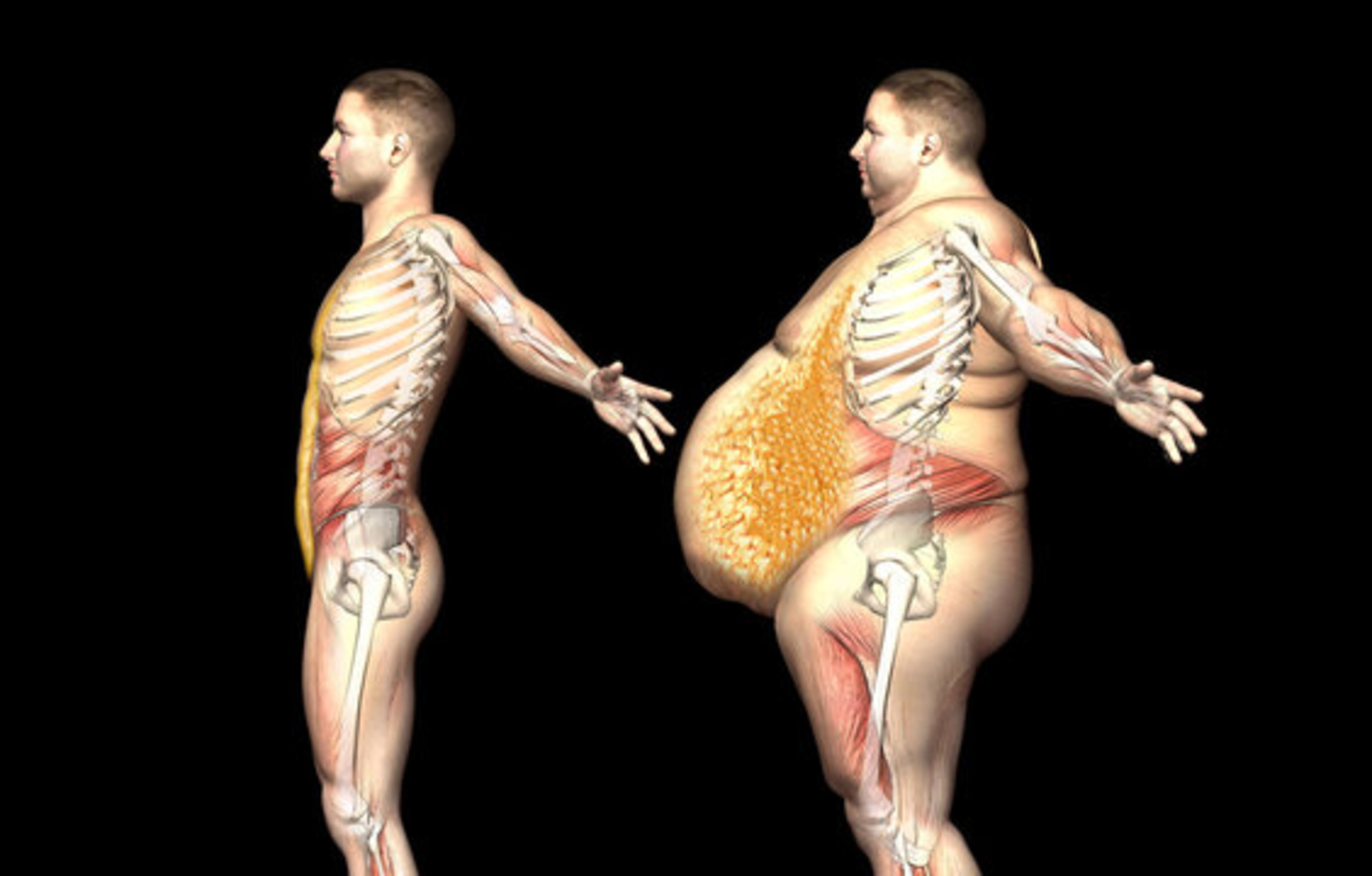
Fat isn’t just about size or shape. It plays very different roles inside the body depending on where it’s located. There are two main types of fat: subcutaneous fat and visceral fat. Subcutaneous fat sits just beneath the skin and is what you can usually pinch around your belly, arms or thighs. Visceral fat, on the other hand, lies deep inside your abdomen, surrounding organs like your liver and intestines. While subcutaneous fat mostly serves as insulation and energy storage, visceral fat is far more dangerous. It’s linked to inflammation, hormonal imbalance, insulin resistance and a higher risk of serious conditions like heart disease and type 2 diabetes.
The location of your fat matters more than how much you have. That’s why accurate tools like a DEXA scan are important, they help you measure and manage both types of fat to protect your long-term health. In this guide we break down what each fat type means, who needs to check it, when to test, how to interpret your results, and the best ways to manage your fat distribution effectively.
What Is Visceral Fat and Why It Matters
Visceral fat is the type of fat that wraps around your internal organs deep inside your belly. It is not the fat you can pinch. Instead it surrounds organs like your liver, stomach and intestines. Even slim people can carry high amounts of visceral fat without realizing it.
This type of fat is metabolically active which means it influences how your hormones and systems work. Excess visceral fat is linked to many serious health problems such as:
Heart disease
Type 2 diabetes
Stroke
High blood pressure
Inflammation
Hormonal imbalance
Cognitive decline
According to experts at Cleveland Clinic and other medical sources, visceral fat is one of the strongest indicators of long-term metabolic risk. Unlike fat under your skin, visceral fat increases insulin resistance and inflammation which play a major role in chronic diseases.
What Is Subcutaneous Fat and Its Role
Subcutaneous fat is the fat stored just beneath your skin. You can usually feel or pinch it in areas like your arms, hips, thighs and belly. While it is more visible than visceral fat, it is often less harmful.
This fat serves several useful functions:
Provides insulation and regulates body temperature
Cushions bones and muscles
Stores energy
Plays a role in hormone regulation
Subcutaneous fat is considered safer because it does not interfere with organ function. It is often more stable and less likely to increase disease risk unless present in extreme amounts.
In fact, having a certain level of subcutaneous fat is normal and even protective especially in women.
How a DEXA Scan Measures Both Fat Types
How the Technology Works
A DEXA scan also known as dual energy X-ray absorptiometry offers a clear detailed breakdown of body composition. It can identify not just total fat but also its distribution across the body.
The DEXA scan uses low-dose X-rays at two different energy levels to distinguish between bone, muscle and fat tissue. It divides the body into regions and calculates the mass and percentage of fat, muscle and bone in each segment.
Visceral vs Subcutaneous Estimates
DEXA scans estimate both subcutaneous adipose tissue (SAT) and visceral adipose tissue (VAT) especially in the trunk area. While MRI remains the gold standard, DEXA offers a reliable estimate and has been validated by clinical studies to correlate strongly with MRI results. In some cases it may slightly overestimate VAT but it remains highly useful for tracking trends.
Accuracy Compared to Alternatives
DEXA is considered more accurate than BMI, skinfold calipers or bioelectrical impedance analysis (BIA). While BMI only looks at height and weight, DEXA gives a much deeper insight into fat placement. Skinfolds and BIA can be affected by hydration levels and technique errors, whereas DEXA offers consistency and detailed imaging.
Who Should Test and When to Repeat the Scan
A DEXA scan is helpful for many people but especially those with:
Central obesity (belly fat)
Metabolic syndrome or prediabetes
Post-menopausal hormonal changes
Sedentary lifestyle
Weight gain despite dieting
Athletes monitoring lean mass and fat balance
For most adults, testing once to get a baseline is useful. Follow-up scans can be done every 3 to 6 months to track progress especially if you are trying to reduce fat or improve fitness. Athletes and people on fat-loss programs may scan more often.
How to Use DEXA Data to Act with Purpose
Interpreting Visceral Fat Numbers
Generally, visceral fat should be less than 10 percent of your total fat mass. A DEXA scan will highlight whether your VAT is in the healthy range or above the threshold for metabolic risk. Even a small reduction in visceral fat can significantly improve health outcomes.
Recognizing Subcutaneous Fat Trends
Subcutaneous fat is usually distributed in the limbs and hips. Higher levels may be more common in women and are not always a health concern. However, an overall trend toward increasing subcutaneous fat along with visceral fat might indicate lifestyle imbalance.
By reviewing the regional fat values, you can identify whether fat loss is happening in the right areas and if your program is effective.
Proven Ways to Reduce Visceral Fat While Preserving Subcutaneous Fat
Visceral fat is more responsive to lifestyle changes than subcutaneous fat. You can begin to lower it with the right mix of diet, movement and stress control.
Effective methods include:
Aerobic exercises like walking, jogging or cycling
High intensity interval training (HIIT)
Resistance training for muscle retention
Eating fiber-rich foods such as vegetables, legumes and whole grains
Cutting back on sugar and alcohol
Improving sleep quality and managing stress
While subcutaneous fat may take longer to change, visceral fat drops faster and leads to quick improvements in blood pressure, cholesterol and insulin sensitivity.
Frequently Asked Questions
What is visceral fat and why is it dangerous?
Visceral fat is the fat that surrounds your internal organs. It is dangerous because it affects how your hormones work and increases inflammation which can lead to heart disease, type 2 diabetes and other serious health problems.
Can a DEXA scan measure visceral and subcutaneous fat separately?
Yes, a DEXA scan provides separate estimates of visceral and subcutaneous fat especially in the trunk area. This helps you understand your fat distribution and assess health risks more accurately.
How accurate is a DEXA scan compared to MRI or body fat scales?
DEXA scans are very accurate and closely match results from MRI. They are more reliable than body fat scales or skinfold tests which can be influenced by hydration or human error.
How quickly can visceral fat be reduced through lifestyle changes?
Visceral fat can start to reduce in a few weeks with the right changes in diet, exercise and stress levels. Studies show that it responds faster than subcutaneous fat to lifestyle improvements.
Is subcutaneous fat harmful or protective?
Subcutaneous fat is generally protective and not harmful unless it is present in extreme amounts. It acts as a cushion for muscles and bones and plays a role in regulating body temperature.
How often should I get a DEXA scan?
Most people can benefit from one scan to know their baseline. If you are working on fat loss or body composition improvement, a scan every 3 to 6 months is recommended to track your progress.
Why Measuring Fat Type Matters More Than You Think
Understanding the difference between visceral and subcutaneous fat can shift your entire approach to health and weight. A DEXA scan gives you more than just a number, it gives you a clear picture of what’s happening inside your body. When you know where your fat is stored, you can make better choices about your diet, exercise and lifestyle. It’s not just about looking fit but staying healthy. Taking control of your fat distribution today can help prevent future health problems and improve your overall well-being.
Take Control of Your Health, Inside and Out
Don’t just focus on weight. Focus on what truly matters. With Amax, you can easily book trusted healthcare appointments anywhere in the UAE, including advanced diagnostics like the DEXA Body Composition Scan. Get real insights into your fat distribution, muscle mass and more so you can make smarter and more effective health decisions.
Know your numbers. Master your health.
Book your DEXA scan now through Amax. It is quick, reliable and personalized to fit your journey toward better living.