

Is HSG Test Painful? What Most Women Experience During and After the Procedure
Book Your HSG Test now at affordable prices
An HSG test is a common fertility procedure used to check the uterus and fallopian tubes. Many women feel nervous before the test, especially when they hear different stories about pain and discomfort. Read on to know what most women actually experience during and after an HSG test, and what you can do to feel more comfortable throughout the process.
What Is an HSG Test?
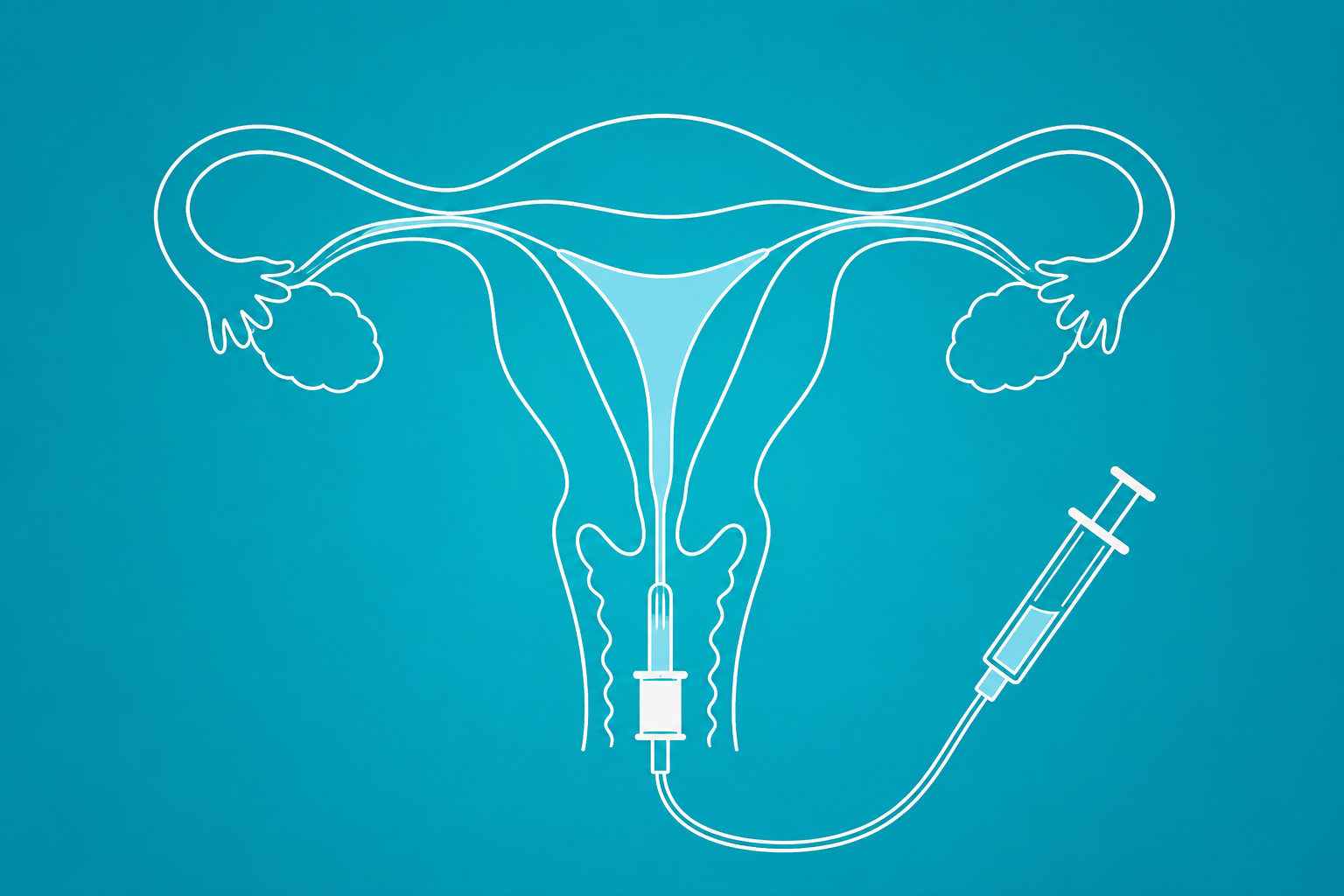
An HSG test, also known as hysterosalpingography, is a diagnostic imaging procedure used to examine the uterus and fallopian tubes. During the test, a special contrast dye and X ray imaging are used to check whether the fallopian tubes are open and to identify any structural abnormalities within the uterus that may affect fertility or reproductive health.
Why Are Many Women Concerned About HSG Test Pain?
Concerns about HSG test pain are very common, especially among women undergoing fertility investigations for the first time. Experiences shared online can vary widely, which may increase anxiety before the procedure. In reality, the level of discomfort differs from person to person and depends on factors such as individual pain sensitivity, anxiety levels, and whether the fallopian tubes are open or blocked. Understanding what happens during the test and knowing what sensations to expect can help many women feel more prepared and confident before their appointment.
Is an HSG Test Painful?
Many women wonder if an HSG test is painful before scheduling the procedure. While experiences vary, most women describe the test as mildly to moderately uncomfortable rather than severely painful. The level of discomfort often depends on individual pain tolerance, anxiety levels, and whether any blockage is present within the fallopian tubes.
What Most Women Report
Most women report experiencing temporary cramping during the HSG test that feels similar to menstrual cramps. The discomfort usually occurs when the contrast dye is injected into the uterus and passes through the fallopian tubes. For many women, the sensation lasts only a few minutes and gradually improves shortly after the procedure is completed.
What Does HSG Pain Feel Like?
Experiences can vary, but the sensations are generally temporary and manageable. Knowing what to expect can help reduce anxiety before the appointment.
Common Sensations During the Test
Many women report feelings such as:
- Mild cramping similar to menstrual discomfort
- Pressure inside the lower abdomen
- Brief sharp cramps during dye injection
- Temporary pelvic discomfort during imaging
- Mild bloating sensation after procedure
- Slight dizziness in some cases
- Quick relief once procedure ends
Which Part of the HSG Test Causes Discomfort?
The most noticeable discomfort usually occurs when the catheter is inserted and when the contrast dye passes through the uterus and fallopian tubes. These steps may trigger temporary cramping sensations.
Stages That May Feel Uncomfortable
- Catheter placement through the cervix
- Initial dye injection into uterus
- Dye moving through fallopian tubes
- Pressure building inside uterus briefly
- Pelvic muscles reacting to procedure
- Uterine cramping during imaging process
- Removal of catheter after imaging
How Long Does the Pain Last?
Most women find that discomfort improves quickly after the procedure. Any cramping or pelvic pressure usually decreases within a short period and rarely affects normal daily activities for long.
Typical Recovery Timeline
Mild cramping often lasts for a few minutes to several hours after the test. Some women may notice light spotting or pelvic discomfort for a day, but symptoms generally improve without treatment.
Factors That Can Affect Pain Levels?
Pain levels during an HSG test can vary based on individual circumstances. Certain physical and emotional factors may influence how comfortable the procedure feels.
Factors That May Increase Discomfort
- Blocked fallopian tubes causing increased pressure
- Existing pelvic inflammation or infection
- Higher anxiety before the appointment
- Increased sensitivity to pelvic procedures
- Previous experiences with pelvic pain
- Uterine spasms during dye injection
- Individual differences in pain tolerance
Tips to Make an HSG Test More Comfortable
Many women are able to reduce anxiety and improve comfort by preparing before the appointment. Simple steps can help create a more positive experience during the procedure.
Helpful Ways to Improve Comfort
- Take prescribed pain relief medication before the procedure.
- Arrive early to stay calm and avoid unnecessary stress.
- Wear loose, comfortable clothing for a more relaxed experience.
- Practice slow, deep breathing during the procedure.
- Ask questions beforehand to know what to expect.
- Stay hydrated unless your doctor advises otherwise.
- Plan some rest after the test to recover comfortably.
When Should You Contact Your Doctor After an HSG Test?
Most symptoms after an HSG test are mild and temporary. However, certain symptoms may require medical attention and should not be ignored.
Signs That Need Medical Advice
- Severe pain that continues worsening
- Heavy vaginal bleeding after procedure
- Fever developing within several days
- Foul smelling vaginal discharge
- Persistent nausea or vomiting
- Severe dizziness after returning home
- Signs of infection or illness
Making Your HSG Experience Less Stressful
For most women, an HSG test is associated with temporary discomfort rather than severe pain. Mild cramping during the procedure is common, and symptoms usually improve quickly afterward. Knowing what to expect can help reduce anxiety and make the experience feel more manageable. If you have concerns about pain or recovery, discussing them with your healthcare provider before the appointment can help you feel more confident and prepared.
Safe and Affordable HSG Test in Dubai
If you are planning an HSG test in Dubai, Amax Healthcare can help you access reliable diagnostic services through trusted imaging centers. We connect patients with experienced radiologists and accredited facilities to ensure accurate results and a comfortable testing experience. With a focus on quality care, affordable pricing, and timely appointments, Amax Healthcare helps make fertility related diagnostic procedures more convenient, efficient, and stress free for every patient.
Frequently Asked Questions
Is HSG test painful for everyone?
No, pain levels vary from person to person. Many women experience mild cramping, while others report moderate discomfort. Severe pain is less common and may depend on individual factors or underlying reproductive conditions.
How painful is an HSG test on a scale of 1 to 10?
Most women rate HSG test pain between 3 and 6 on a ten point scale. The sensation is often compared to menstrual cramps and usually lasts only a short time.
Is HSG more painful if fallopian tubes are blocked?
Yes, some women with blocked fallopian tubes may experience stronger cramping because pressure can build when the contrast dye encounters a blockage during the procedure.
Can I take a painkiller before an HSG test?
Many healthcare providers recommend taking a pain reliever before the appointment. Always follow your doctor’s instructions regarding medications before undergoing the procedure.
How long does cramping last after an HSG test?
Cramping often improves within a few hours. Some women may experience mild discomfort for up to a day, but symptoms generally resolve without complications.
Can I return to work after an HSG test?
Most women can return to normal activities the same day. However, taking time to rest may be helpful if mild cramping or discomfort continues after the procedure.
When should I worry about pain after an HSG test?
You should contact your doctor if pain becomes severe, continues worsening, or occurs with fever, heavy bleeding, unusual discharge, or other concerning symptoms after the procedure.