

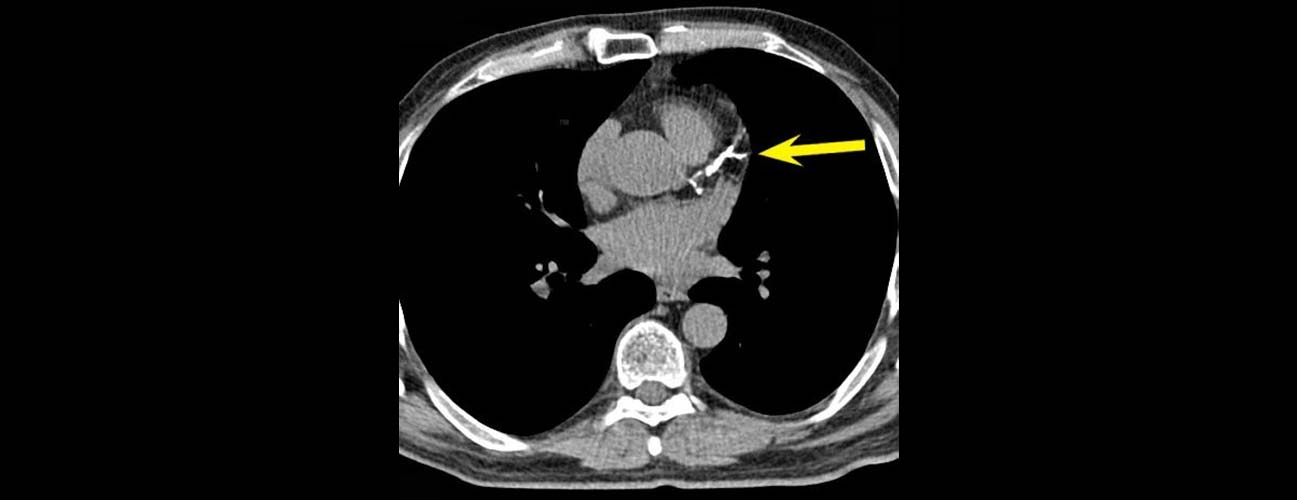
The Calcium Score Test (CAC test) is a quick, non-invasive CT scan that detects calcium buildup in the coronary arteries—an early indicator of heart disease. It’s recommended for adults aged 40 to 70 with risk factors such as high blood pressure, high cholesterol, diabetes, or a family history of heart problems. A higher calcium score signals a greater risk of future heart events, even if there are no symptoms.
In Dubai, calcium score tests are offered at top imaging centers and hospitals, with prices ranging from AED 800 to AED 2,500. Amax Healthcare simplifies the process by helping you schedule your test at trusted, accredited facilities for just AED 1400, including a detailed report.
The Role of the Calcium Score Test in Preventive Health Checkups
Heart disease is a leading cause of death worldwide. Detecting risks early can save lives. The calcium score test, also known as the coronary artery calcium score test, is a quick and noninvasive way to check for calcium deposits in the arteries of the heart. These deposits indicate early stages of coronary artery disease, even before symptoms appear. This test plays a vital role in preventive care and routine health checkups. It helps doctors assess your heart risk accurately and take steps to protect your heart health.
In this guide, we will explore what the calcium score test is, why it is important, who should take it, how it is done, and what your results mean. We will also guide you on where to get this test in Dubai and answer common questions to help you make informed decisions about your heart health.
What is the Calcium Score Test
The calcium score test measures the amount of calcium in the walls of the coronary arteries. This is done using a special type of X-ray called a cardiac computed tomography (CT) scan. The test detects calcium deposits, which are signs of atherosclerosis or plaque buildup in the arteries. This plaque can restrict blood flow to the heart and increase the risk of heart attacks.
The test is sometimes called the CAC test, standing for Coronary Artery Calcium test. It uses a scoring system known as the Agatston score to quantify the amount of calcium. A higher score means more plaque and a higher chance of heart disease.
Why is the Calcium Score Test Important in Preventive Care
The calcium score test helps in the early detection of coronary artery disease (CAD) before symptoms occur. Many people with heart disease have no warning signs. This test helps identify those at risk early so they can take preventive measures.
The score also helps doctors stratify cardiovascular risk, meaning it helps classify patients into low, medium, or high risk. This improves decision-making about treatments such as prescribing cholesterol-lowering drugs or lifestyle changes. It complements other risk tools like the Framingham Risk Score by adding imaging information, which increases accuracy.
Early detection through the calcium score test can prevent serious events like heart attacks by prompting timely intervention.
When and Who Should Get a Calcium Score Test?
Not everyone needs a calcium score test. Doctors usually recommend it for adults aged 40 to 70 who are at intermediate risk of heart disease based on risk factors such as:
- Family history of heart disease
- High cholesterol levels
- Diabetes
- High blood pressure
- Smoking habits
Doctors may also suggest the test if your routine health checkups show unclear risk or if you have symptoms that require more investigation. It is especially useful for people who want to understand their heart risk better and take preventive steps.
How is the calcium score test done?
The test is simple and painless. It involves the following steps:
- You lie on a table that slides into the CT scanner.
- Small sticky patches with sensors are placed on your chest to monitor your heart.
- The CT machine takes images of your heart in a few seconds while you hold your breath briefly.
- The entire scan usually takes 10 to 15 minutes.
The procedure is noninvasive and safe. It involves a small amount of radiation, similar to a chest X-ray. Preparation is minimal; you may be asked to avoid caffeine or smoking a few hours before the test to keep your heart rate steady.
Understanding Your Calcium Score Results
Calcium scores are usually reported as numbers in these ranges:
- 0: No calcium detected. Low risk of heart disease.
- 1 to 10: Small amount of calcium. Low to mild risk.
- 11 to 100: Moderate calcium. Moderate risk.
- 101 to 300: Increased calcium. Higher risk.
- Above 300: Extensive calcium. High risk of heart disease.
Higher scores mean more plaque buildup and higher chances of heart attacks. Your doctor will use the score along with other health factors to recommend treatments like lifestyle changes, medications such as statins, or further tests.
Calcium Score Test in Routine Checkups: Benefits and Limitations
Adding the calcium score test to routine heart checkups can offer many benefits:
- Early detection of hidden heart disease
- Better risk prediction beyond traditional risk factors
- Motivates patients to adopt healthier lifestyles
However, the test has limitations. It does not detect soft plaque that may also cause blockages. It cannot replace other important tests like stress tests or angiography. It is best used as part of a complete heart health evaluation.
Calcium Score Test Price in Dubai
In Dubai, the price for this test varies widely depending on the provider and the technology used, typically ranging from AED 800 to AED 2,500. At Amax Healthcare, the Calcium Score Test is competitively priced at AED 1,250, which includes the scan and a comprehensive report. This makes it an accessible option for those looking to proactively monitor their cardiovascular health. If you have risk factors such as high blood pressure, diabetes, or a family history of heart disease, scheduling a calcium score test can provide valuable insights for timely intervention.
Need to book a calcium score test in Dubai?
Contact Amax Healthcare today to schedule your appointment with minimal wait time, advanced technology, and expert cardiac support.
Where to Get a Calcium Score Test in Dubai, UAE
If you are in Dubai and need a heart calcium score test, several leading hospitals and cardiac centers provide advanced cardiac CT scan services. These include well-known government and private hospitals equipped with modern imaging technology.
Booking and Insurance
Booking an appointment is usually easy via hospital websites or by phone. Check with your insurance provider to confirm if the calcium score test is covered under your health plan, as policies differ.
Tips for Patients in Dubai
- Choose facilities accredited by UAE health authorities for quality care.
- Consult a cardiologist for personalized advice before scheduling the test.
- Keep a copy of your test results to share with your healthcare team.
Amax Healthcare helps you easily book your calcium score test at top accredited centers in Dubai. We connect you to top diagnostic centers with advanced technology and expert cardiac care. Schedule your appointment today for fast, reliable service.
Frequently Asked Questions About Calcium Score Test
What is a calcium score test?
It is a CT scan that measures calcium deposits in the coronary arteries to assess heart disease risk.
How is the CAC score calculated?
Using the Agatston method, it quantifies calcium detected in the arteries on a CT scan.
Is the calcium score test safe?
Yes. It uses low radiation similar to a chest X-ray and is noninvasive.
Who should get a coronary calcium score test?
Adults aged 40-70 with intermediate risk factors like high cholesterol or family history.
What do different calcium score ranges mean?
Scores range from 0 (low risk) to over 300 (high risk), indicating plaque levels and heart disease risk.
Can a calcium score test predict heart attacks?
It estimates risk but cannot predict exact events. It guides preventive care.
How often should I get the calcium score test?
Typically once every 3 to 5 years or as recommended by your doctor.
Does insurance cover the calcium score test?
Coverage varies by insurer and plan. Check with your provider.
Can lifestyle changes reduce my calcium score?
Lifestyle changes can slow plaque growth but usually do not reduce existing calcium.
What is the difference between a calcium score test and CT angiography?
Calcium score detects calcified plaque; CT angiography visualizes both calcified and soft plaque and artery blockages.
Getting a Calcium Score Test Can Help Your Heart
The calcium score test is a valuable tool for early detection of heart disease and improving preventive care. It gives patients and doctors clear insight into the state of coronary arteries, allowing timely and effective interventions. Including this test in routine health checkups can help identify risks before symptoms develop, potentially saving lives.
If you are concerned about your heart health, consult your cardiologist about the calcium score test. Taking action today can help you enjoy a healthier tomorrow.
Personalized Appointment Scheduling with Amax
Scheduling healthcare appointments can be confusing, especially for specialized tests. Amax offers a personalized and affordable service to help you book appointments with the top healthcare providers in the UAE. While Amax does not provide medical treatments, they connect you with expert doctors and cardiac centers quickly and easily.
If you want timely access to the calcium score test or other heart health services, consider using Amax to simplify your appointment process.